
Reading
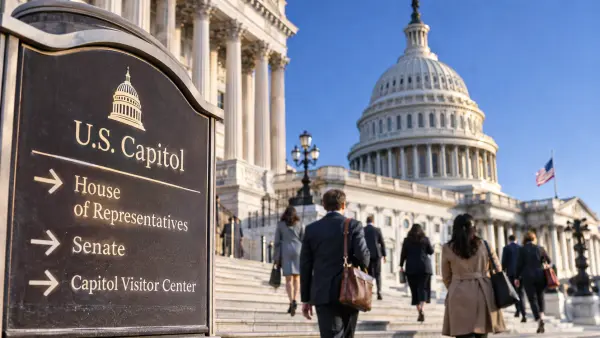
Winning an election does not make someone a member of Congress, and losing one does not end a member’s job. Between Election Day and the start of the new Congress, two groups move in opposite directions. Winners become members-elect, with paperwork, training and an office to find. Departing members keep voting as lame ducks while they pack, close their offices and learn the rules that will limit their next jobs. The calendar is set by the Constitution’s 20th Amendment, which starts each new Congress at noon on Jan. 3 unless Congress sets another day by law.
From Winner to Member-Elect
The legal starting point is not a victory speech or a news organization’s race call but state certification of the result (see why some races take weeks). Once a state certifies, the governor and usually the secretary of state sign a certificate of election, which is sent to the Clerk of the House or the Secretary of the Senate. These credentials matter: the House Clerk uses them to prepare the roll of members-elect that is read when the new House first meets.
Newcomers do not wait for certification to start working. Orientation for incoming House members of the next Congress runs from Nov. 8 to 18 this year, according to a Republican aide quoted by Bloomberg Government. During orientation, members-elect learn ethics rules and office budgets, hire staff and vote in their party’s leadership elections.
Orientation ends with a ritual that decides where new members will work for two years. In the House, newcomers draw numbered chips in alphabetical order in an office lottery, and the lowest numbers get first pick of the offices left over after returning members move, Roll Call reported. The Senate uses seniority instead: senators with earlier House, Cabinet or governor experience pick first, followed by those from more populous states.
Taking the Oath
When the new House convenes, the Clerk presides, calls the roll and oversees the election of a Speaker. Only after a Speaker is chosen are members sworn in together, taking the oath of office to support and defend the Constitution. In 2027, Jan. 3 falls on a Sunday, so Congress may choose a later day, the Bipartisan Policy Center notes.
Under Article I of the Constitution, each chamber is the final judge of its own members’ elections. A losing House candidate can file a contested election under a 1969 law within 30 days of state certification, and the House decides by majority vote. The House has rarely overturned a state-certified result. The most famous case is Indiana’s 8th District in 1985, when the House seated Democrat Frank McCloskey by four votes after its own recount, over the Republican the state had certified.
Leaving Office
Departing members remain full members until their terms end, and lame-duck sessions can be busy. This year Congress faces a government funding deadline on Dec. 11, so members who lost on Nov. 3 may still cast deciding votes. Meanwhile they close their offices. House staff payroll for departing members typically ends automatically on Jan. 2, and members’ office papers are treated as their personal property, according to a Congressional Research Service guide. Until the last day, though, departing members still represent every constituent in their district or state.
Ethics rules follow members out the door. House members must notify the Ethics Committee within three business days of starting job negotiations with a private employer. After leaving, former House members face a one-year cooling-off period before they may contact members or staff of Congress to influence official action, and former senators face two years, as the House Ethics Committee explains.
Some departing members also leave with a pension. Members who served at least five years are eligible for one at age 62, based on their years of service and highest salaries, as Government Executive reported, citing the Congressional Research Service.
The Debates
The biggest debate is over the revolving door between Congress and lobbying. Supporters of a lifetime lobbying ban for former members include politicians in both parties: Sen. Ted Cruz and Rep. Alexandria Ocasio-Cortez publicly agreed on the idea in 2019. They argue that current limits are short and that former members can avoid them by advising clients without registering as lobbyists. Opponents of a lifetime ban argue it would restrict former members’ right to work and speak and would push experienced people out of public debate. None of these proposals has become law.
A second, newer concern is about the start of the process. Some commentators have warned that a partisan House Clerk could leave members-elect off the roll by questioning their credentials. Others answer that the Clerk’s role has always been to record certified results rather than judge them, and that the full House, not the Clerk, decides disputed seats.
Glossary
member-elect (noun): a person who has won election to Congress but has not yet been sworn in.
Translations: 当选议员 | 当選議員 | 당선인 | निर्वाचित सदस्य | العضو المنتخب | избранный член Конгресса | miembro electo | membre élu
- Each member-elect attended orientation in November.
- The members-elect chose their party leaders before taking office.
lame duck (noun): an official who is still in office but will soon be replaced.
Translations: 跛脚鸭 | レームダック | 레임덕 | निवर्तमान पदाधिकारी | البطة العرجاء | хромая утка | pato cojo | canard boiteux
- As a lame duck, the senator could still vote on the budget.
- Critics say lame ducks should not make major decisions after losing.
certificate of election (noun): an official document, signed by state officials, stating who won an election.
Translations: 当选证书 | 当選証書 | 당선증 | निर्वाचन प्रमाणपत्र | شهادة الانتخاب | удостоверение об избрании | certificado de elección | certificat d’élection
- The governor signed the certificate of election on Dec. 1.
- A certificate of election is sent to the Clerk of the House.
credentials (noun): documents that prove a person has the right to hold a position.
Translations: 资格证明 | 資格証明 | 자격 증명서 | प्रमाण-पत्र | أوراق الاعتماد | полномочия | credenciales | lettres de créance
- The Senate reviewed the new senator’s credentials.
- Her credentials arrived in Washington a week after the state certified the vote.
roll (noun): an official list of names, such as the list of members read aloud on the first day.
Translations: 名册 | 名簿 | 명부 | नामावली | قائمة الأسماء | список | lista oficial | liste officielle
- The Clerk read the roll of members-elect state by state.
- His name was added to the roll after the recount ended.
orientation (noun): a period of training and information for people starting a new role.
Translations: 新人培训 | 新人研修 | 오리엔테이션 | अभिविन्यास कार्यक्रम | برنامج تعريفي | вводный курс | orientación | séance d’accueil
- New members learned the ethics rules during orientation.
- Orientation lasted about ten days.
lottery (noun): a system that decides something by random drawing.
Translations: 抽签 | 抽選 | 추첨 | लॉटरी | قرعة | жеребьёвка | sorteo | tirage au sort
- She drew number three in the office lottery.
- The lottery decides which newcomers get the best offices.
seniority (noun): a higher rank or priority that comes from longer service or experience.
Translations: 资历 | 年功序列 | 선임 순위 | वरिष्ठता | الأقدمية | старшинство | antigüedad | ancienneté
- Senate offices are assigned by seniority.
- A former governor has more seniority than other new senators.
convene (verb): to come together for a formal meeting.
Translations: 召开 | 招集する | 소집하다 | सत्र आरंभ करना | ينعقد | созывать | convocar | se réunir
- The new Congress will convene in early January.
- The House cannot pass laws until it convenes and elects a Speaker.
Speaker (noun): the elected leader of the House of Representatives.
Translations: 众议院议长 | 下院議長 | 하원의장 | अध्यक्ष | رئيس مجلس النواب | спикер | presidente de la Cámara | président de la Chambre
- The Speaker swore in all the new members at once.
- Electing a Speaker is the House’s first task.
oath of office (noun): a formal promise made when starting an official position.
Translations: 就职宣誓 | 就任宣誓 | 취임 선서 | पद की शपथ | اليمين الدستورية | присяга | juramento del cargo | serment d’entrée en fonction
- Members raise their right hands to take the oath of office.
- The oath of office promises to support the Constitution.
contested election (noun): an election whose result is formally challenged by a candidate.
Translations: 有争议的选举 | 異議申し立て選挙 | 이의 제기된 선거 | विवादित चुनाव | انتخاب متنازع عليه | оспариваемые выборы | elección impugnada | élection contestée
- The House voted to settle the contested election.
- A contested election can keep a seat empty for months.
payroll (noun): the list of employees an organization pays, or the money paid to them.
Translations: 工资名单 | 給与台帳 | 급여 명부 | वेतन सूची | كشف الرواتب | платёжная ведомость | nómina | masse salariale
- Departing staff leave the payroll on Jan. 2.
- New members must build a payroll within a fixed budget.
constituent (noun): a person who lives in the area an elected official represents.
Translations: 选民 | 選挙区民 | 지역구 주민 | निर्वाचन क्षेत्र का मतदाता | ناخب في الدائرة | избиратель округа | elector del distrito | électeur de la circonscription
- The office helped a constituent with a passport problem.
- Most constituents never meet their representative.
cooling-off period (noun): a required waiting time before someone may take a certain action.
Translations: 冷却期 | 冷却期間 | 냉각 기간 | प्रतीक्षा अवधि | فترة التهدئة | период ограничения | período de enfriamiento | délai de carence
- The cooling-off period for former senators is two years.
- After the cooling-off period, he began lobbying his former colleagues.
revolving door (noun): the movement of people between government jobs and industries affected by government decisions.
Translations: 旋转门 | 天下り・回転ドア | 회전문 인사 | घूमता दरवाज़ा | الباب الدوار | вращающаяся дверь | puertas giratorias | pantouflage
- Critics say the revolving door gives industries too much influence.
- Both parties have proposed bills to close the revolving door.
lobbying (noun): trying to influence lawmakers on behalf of a business or group.
Translations: 游说 | ロビー活動 | 로비 활동 | पैरवी | الضغط السياسي | лоббирование | cabildeo | lobbying
- Many former members move into lobbying.
- Lobbying rules require registration and public reports.
pension (noun): regular payments made to a person after retirement.
Translations: 养老金 | 年金 | 연금 | पेंशन | معاش تقاعدي | пенсия | pensión | pension de retraite
- She will receive a small pension starting at age 62.
- A congressional pension depends on years of service.
Discussion Questions
- Have you ever started a new job or left one? What steps did you have to take?
- Does your country have a waiting period between an election and when winners take office?
- Is two months between Election Day and the new Congress too long, too short, or about right?
- Should lame-duck members vote on major laws after losing their elections?
- Is a lottery a fair way to assign offices to new members?
- Why do you think Congress, not the courts, decides disputed House elections?
- Should former members of Congress be banned from lobbying for life?
- Do you find the supporters’ or opponents’ arguments about the revolving door more persuasive?
- What skills do you think a new member of Congress most needs to learn at orientation?
- Why might voters want a quick transition, and why might a slower one be useful?
- How should a departing lawmaker’s office treat constituents who still need help?
- Imagine you are a newly elected member of Congress. What would you do in your first week?
Related Links
- Ocasio-Cortez and Ted Cruz Agree on the Revolving Door, Common Dreams
- Federal Contested Elections Act, Wikipedia
- Ban Members from Becoming Lobbyists Act, Rep. Zach Nunn
- Another Way Trump and His Allies Could Keep Democrats From Taking the House, Election Law Blog
- How Senate Confirmation Works
