
What Happened
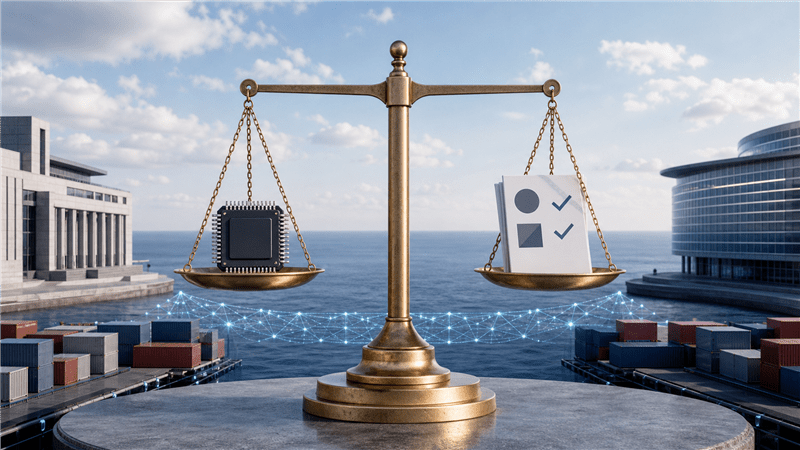
President Donald Trump announced on July 24, 2026, that his administration would begin a trade investigation into European Union penalties and rules affecting American technology companies. He threatened a substantial tariff if the dispute is not resolved.
The announcement came one day after the European Commission fined Google a total of 890 million euros under the Digital Markets Act, or DMA. The commission imposed a 460 million euro fine over Google’s treatment of its own services in search results and a 430 million euro fine over restrictions and fees affecting app developers that direct customers to other purchasing options.
Trump said the European penalties unfairly take money from American companies. European officials say the rules apply to any company designated as a powerful digital gatekeeper and are meant to preserve competition.
One procedural fact is important: Trump announced an immediate investigation under Section 301 of the Trade Act of 1974, but the U.S. Trade Representative’s public list of active Section 301 cases did not yet show a new European technology-fines investigation when this article was prepared. A presidential announcement signals policy, but a formal investigation normally has an official notice, a defined scope, and opportunities for evidence and public comment.
Background
The EU’s Digital Markets Act places special duties on very large online platforms that function as gatekeepers between businesses and users. The law can restrict self-preferencing, require more choice, and limit rules that stop businesses from telling customers about lower-priced offers outside a platform.
The commission says Google favored its own services over competing services in search and prevented Google Play developers from freely steering users to other payment or purchasing channels. It ordered Google to comply as well as pay the fines.
Google disputes the conclusions. The company says changes demanded by European regulators reduce useful search features and weaken the security and business model of its app store. Google welcomed the Trump administration’s attention to what it describes as harmful regulation.
The broader conflict is not limited to Google. U.S. officials from both parties have criticized foreign digital taxes or regulations that they believe fall mainly on American companies. European leaders answer that a company’s home country does not exempt it from competition and consumer rules in the European market.
How a Section 301 Investigation Works
Section 301 authorizes the U.S. Trade Representative, or USTR, to investigate a foreign government’s act, policy, or practice that may be unjustifiable, unreasonable, or discriminatory and that burdens U.S. commerce.
A formal case normally begins with an initiation notice. USTR can request information, consult the foreign government, receive written comments, and hold a hearing. After the investigation, the agency may conclude that no action is needed, seek an agreement, withdraw trade concessions, or recommend tariffs and other restrictions.
The investigation itself is not a tariff. It is a process for deciding whether a trade response is legally and economically justified. If tariffs are later imposed, importers pay them to the U.S. government, and some of the cost can reach businesses and consumers through higher prices.
What Different Sides Are Saying
The Trump administration and U.S. technology companies
Trump argues that the EU is using regulation to collect large sums from successful American companies while European competitors face less pressure. He says Section 301 and the threat of tariffs can force the EU to reverse course.
Fact check: Many of the world’s largest digital platforms are American, so EU gatekeeper enforcement often affects U.S. firms. That pattern alone does not prove illegal discrimination. A Section 301 investigation would examine the design, application, and commercial burden of the European measures.
Google says the EU’s required changes can make search less helpful and make the Play store less safe. The company argues that its payment and distribution rules support security, investment, and a consistent user experience.
Fact check: Platform security and investment are real policy interests, but they do not settle whether Google’s restrictions were proportionate or anticompetitive. The commission found specific DMA violations; Google can challenge those findings through European legal procedures.
The European Commission and supporters of the DMA
EU officials say the DMA protects competition by preventing a gatekeeper from using control of a platform to disadvantage rivals or lock businesses into its payment system. They say the law is based on market power and conduct, not nationality.
Fact check: The DMA’s written criteria are not limited to U.S. companies. Companies are designated according to measures such as their size, user reach, and gateway position. Whether enforcement is discriminatory in practice is a separate factual and legal question.
Supporters say strong fines are needed because smaller penalties could become a normal cost of doing business for companies with very large revenues.
Fact check: The DMA authorizes significant penalties to encourage compliance. A large authorized fine is not automatically fair or unfair. Proportionality, evidence, and appeal rights still matter.
Fact Check
- Claim: The United States has already imposed a tariff because of the Google fines. False. Trump threatened a future tariff. No tariff was created by the announcement itself.
- Claim: Trump can directly cancel an EU fine. False. A U.S. president cannot erase a European Commission decision. Trade pressure or negotiation could influence policy, while Google can use EU review and appeal procedures.
- Claim: The EU fined Google 890 million euros for one violation. Misleading. The total comes from two fines: 460 million euros involving search and 430 million euros involving Google Play.
- Claim: Section 301 guarantees tariffs. False. The investigation can end with no action, an agreement, tariffs, or another response.
- Claim: Only American companies can be covered by the DMA. False. The law uses gatekeeper criteria rather than a company’s nationality.
- Claim: Tariffs are paid directly by the foreign government. False. U.S. importers pay tariffs at the border, although costs and behavior can change throughout the supply chain.
What Happens Next?
The first item to watch is a formal USTR notice defining the investigation. That notice should explain which EU laws, fines, or practices are included and set deadlines for public comments or a hearing.
The United States and European Union could negotiate before any tariff decision. They could also connect the dispute to wider trade talks. If the United States imposes tariffs, the EU could challenge them, retaliate, or offer changes. American importers, technology companies, European regulators, and consumers could all be affected.
Google must also respond to the European compliance orders and may pursue appeals. The trade conflict therefore has two tracks: European enforcement against the company and possible U.S. action against European policy.
Related Links
- Associated Press report on Trump’s announcement
- European Commission announcement of the Google fines
- European Commission overview of the Digital Markets Act
- USTR list of Section 301 investigations
- Congressional Research Service overview of Section 301
- Associated Press explainer on tariff authority and procedure
Discussion Questions
- What problem is the EU trying to solve with the Digital Markets Act?
- Why do U.S. officials view some European technology rules as trade barriers?
- Does the nationality of the largest regulated firms prove discrimination?
- What evidence should USTR collect before making a decision?
- How is an investigation different from a tariff?
- Who might pay the economic cost if the United States imposes tariffs?
- Which Google or EU argument is most persuasive to you?
- Should competition rules consider platform security claims?
- Could negotiation solve this dispute more effectively than tariffs?
- If you led USTR, what outcome would you seek and why?
