
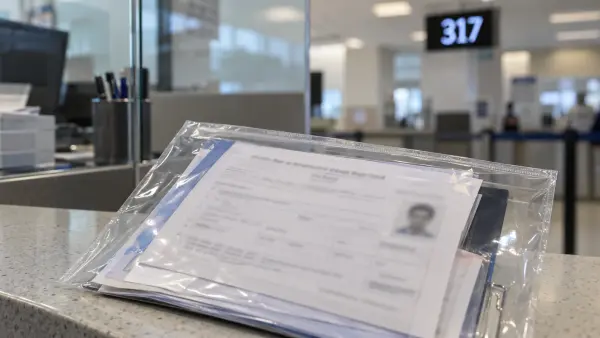
The Trump administration has extended by another year its effort to impose a $100,000 fee on certain new H-1B visa petitions. The proposed fee would be far higher than the fees historically associated with the program, but its legality remains unresolved.
The extension does not apply to current H-1B holders changing from student status or renewing their visas, Reuters reported. It does, however, prolong uncertainty for employers and prospective workers who would be affected by new petitions.
Background
The H-1B program allows U.S. employers to seek temporary visas for workers in specialty occupations. It is especially visible in technology, engineering, health care, and university employment, although the program covers many fields that require specialized knowledge and at least a bachelor’s degree or its equivalent.
Supporters of a much higher fee argue that employers can use H-1B hiring to reduce labor costs or avoid recruiting U.S. workers. They say a large charge would make companies demonstrate that overseas recruitment is genuinely necessary. Critics respond that the fee would function less like a screening tool and more like a barrier, pushing research, product development, and other high-skill work outside the United States.
What Different Sides Are Saying
Business groups and technology employers have long argued that the annual H-1B cap does not match demand for specialized workers. In this view, an additional $100,000 fee could be particularly difficult for smaller firms, universities, and nonprofit research institutions. Fact-check: The program is already subject to numerical limits for many employers, while some universities and research organizations are exempt from the annual cap under separate USCIS rules.
Labor advocates and restrictionist groups emphasize a different risk: employers may have an incentive to hire temporary visa holders who depend on a sponsoring employer to remain in the country. They argue that stronger wage rules and enforcement, rather than simple employer assurances, are needed to protect both U.S. and visa-holding workers. Fact-check: H-1B employers must make wage-related attestations through the Labor Department’s labor-condition application process, but disputes continue over whether those requirements adequately prevent underpayment or displacement.
The immediate legal question is separate from that policy debate. Reuters reported that one federal judge found the proposed fee unlawful and that appeals remain pending. The article could not independently locate a final appellate ruling as of September 19. Until the courts act, the extension signals an ongoing policy goal rather than a settled, broadly enforceable fee structure.
Note on Scope
This article addresses the extension of the fee initiative, not the broader merits of all employment-based immigration programs. It also does not estimate how many petitions would ultimately be affected, because the answer depends on the final legal outcome and the administration’s implementation details.
Related Links
- Reuters: fee extension (September 18)
- Financial Express: what changes (September 18)
- Indian Express: visa-fraud inquiry (September 18)
- Financial Express: hiring shifts (September 16)
- Reuters: appeals court ruling (July 24)
Discussion Questions
- What should the main purpose of the H-1B program be?
- Would a very high fee protect U.S. workers?
- What other policies could address wage concerns?
- Should universities receive different H-1B rules from private companies?
- How might this policy affect small employers?
- Do temporary workers have enough protection from unfair treatment?
- What evidence would change your view about H-1B visas?
- Should courts decide this issue, or should Congress set the rules?
- How might the policy affect where companies conduct research?
- Imagine you run a hospital. How would you approach this policy?
