
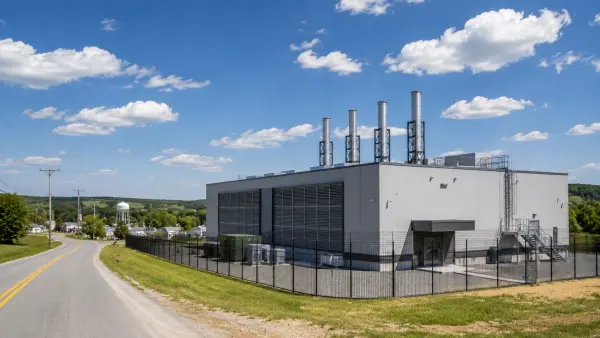
The EPA has proposed eliminating a longstanding federal requirement that states notify the public and take comments before issuing air pollution permits for data centers and other industrial facilities. States could still choose to offer public comment on their own, but the agency would no longer require it as a condition of an approved state permitting program.
The proposal is now in a public comment period. A coalition of nearly 200 environmental, health and community groups, led by the Southern Environmental Law Center, has already filed comments opposing it, and Democratic attorneys general from 14 states and several major cities sent a joint letter opposing the plan.
Background
The proposal affects permitting under the Clean Air Act’s New Source Review and related programs, which currently require states to publicize draft permits and accept public input before large facilities, including data centers and the power plants built to supply them, can begin construction. It arrives amid a broader wave of local backlash against data center construction that has become a flashpoint in races across the country this election cycle. This is a different, more sweeping change than a 2015 EPA proposal that only modernized how notices were delivered, shifting from newspaper publication to electronic notice, without touching the underlying requirement to notify the public at all.
What Different Sides Are Saying
Critics of the proposal, including former EPA officials, say it would let states with weak or nonexistent comment requirements approve permits without informing nearby residents. Mike Koerber, a former deputy director of EPA’s air quality office, said the change reflects “efforts by the Trump administration to turn its back on transparency.” Fact-check: the proposal’s text does confirm the specific mechanism described, states would no longer be required to provide public notice as a condition of a valid permitting program, which is consistent with critics’ core factual claim, separate from their characterization of the administration’s motives.
This article could not locate a public statement from EPA defending the proposal’s rationale in the sources reviewed. The agency has separately framed its broader push to speed data center permitting, including changes affecting other environmental laws, as necessary to keep pace with growing electricity demand from artificial intelligence.
The 14 state attorneys general who oppose the plan represent states without major data center hubs, a detail Newsweek noted in its coverage. Fact-check: that fact does not by itself indicate anything about the merits of their legal or policy objections; it is included here because it is relevant context for readers weighing who is raising the concern.
Note on Scope
This is a proposed rule, not a final one. It remains in the public comment process, and this article does not attempt to predict whether or in what form it will be finalized.
Related Links
- EPA proposal could leave the public in the dark on data center plans – Federal News Network
- What Proposed EPA Data Center Rule on Public Disclosure Means for Americans – Newsweek
- EPA’s proposal could leave public in dark on data center plans – Washington Times
- EPA Moves to Curb Public Notice/Comment on State Data Center Air Permits – Society of Environmental Journalists
Discussion Questions
- Should the federal government mandate public notice before a state issues an air pollution permit, or should that be left to states?
- Would you want to be notified before a data center or power plant was permitted near you?
- Do you find the transparency concerns or the push to speed permitting more compelling given rising electricity demand?
- Why do you think this specific proposal has drawn opposition even from states without data center hubs?
- How should the public weigh a proposed rule that is still open for comment versus one already finalized?
- Should states be trusted to maintain their own public notice standards without a federal floor?
- What responsibility does a federal agency have to publicly defend a proposal facing significant criticism?
- How should communities balance the economic benefits of data centers against reduced input into permitting decisions?
- Does it matter to you whether this change affects only data centers, or industrial permitting broadly?
- Imagine you live near a proposed data center site. What would you want a public comment process to guarantee you?
